
State Property Meme Meaning: Why the Reaction Works
Understand the joke’s contrast, timing, and sense of ownership, then turn an ordinary situation into a clear pet video idea.
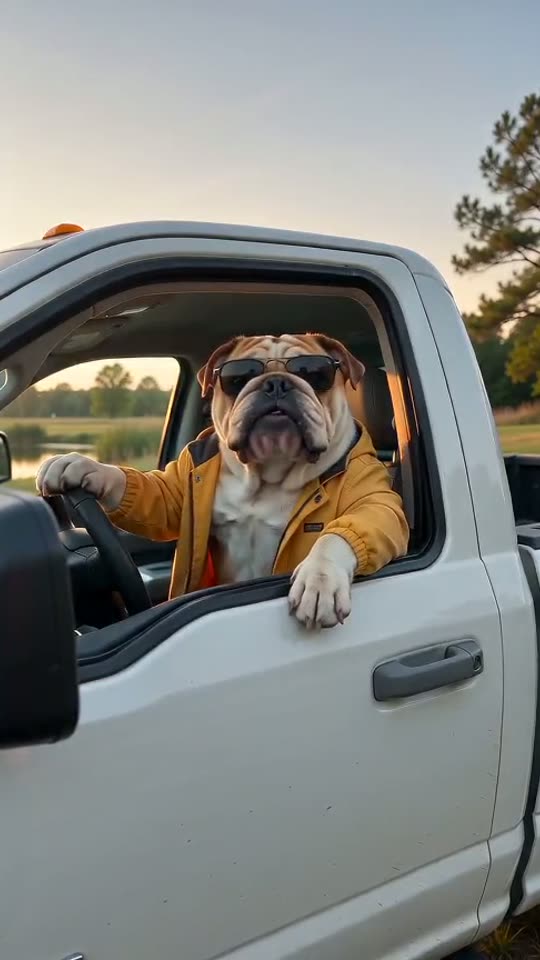
Current studio scope: pets and non-human scenes. Real-person photo animation, fabricated human speech/actions and face swaps are paused.
The joke in a State Property meme is usually bigger than the words. A small question about who belongs somewhere receives an outsized display of authority. That mismatch lets creators move the format from an outdoor confrontation to a kitchen, a group chat, or a dog guarding a favorite chair.
Know Your Meme documents the original fishing-location argument and subsequent remix formats. Here, we are discussing the comedic pattern, not offering a legal definition of public land. For the source recording, use the links in our origin guide.
Build around one unreasonable boundary
Pick something viewers can understand immediately. The last cookie, an occupied sofa cushion, and the good parking spot all work because they need little explanation. The character treats that tiny territory as a serious responsibility. A caption can establish the situation, but it should not have to explain a complicated backstory.
Try writing the premise in one sentence before choosing a scene: “The cat thinks the laundry basket requires a permit.” If you need several sentences to explain what belongs to whom, simplify it. The audience should be watching the reaction instead of solving the setup.
Give the reply room to land
A convincing performance has a change of energy. The subject begins composed, hears the challenge, pauses, and responds with surprising conviction. Holding the same angry expression throughout removes that contrast. A restrained start often makes the final look funnier than asking for constant shouting.
For a five-second take, aim for a look, a brief response, and a beat of silence. A fifteen-second take can support the fuller question-and-answer rhythm. Ten seconds sits between them, but is not a reason to add a second joke. Keep one idea per clip.
Let the scene tell part of the story
A pickup or tractor gives the character an informal supervisory position. A porch can suggest a self-appointed neighborhood guardian. A golf cart makes an exaggerated patrol believable. A dock suits the original boundary theme, while a ranch gives a wider outdoor setting. These are creative starting points, not claims about what appears in the original recording.
For pets, keep the animal recognizable. Choose a photo where the eyes and muzzle are clear; avoid a group photo that leaves the model guessing which animal is the lead. A natural pose with a small skeptical head turn is often a stronger brief than a list of human gestures.
Make an interpretation, then review it
Scene mode is useful for changing the setting; reference mode is useful for following the available clip’s framing and pacing. Generated audio is new, and exact dialogue, voice, or lip sync may differ. Watch the result once for the joke and once for visual continuity before deciding whether to share it.
Try your premise in the studio. Review the current credit quote before generation, and change one setting at a time between attempts. For concrete direction examples, open the AI prompt guide. For dogs and cats, the pet guide explains how to choose a source photo that leaves the performance room to work.