
Finding the Original State Property Meme Video
Follow the documented source of the State Property meme and distinguish the original recording from reference clips, remixes, and generated examples.
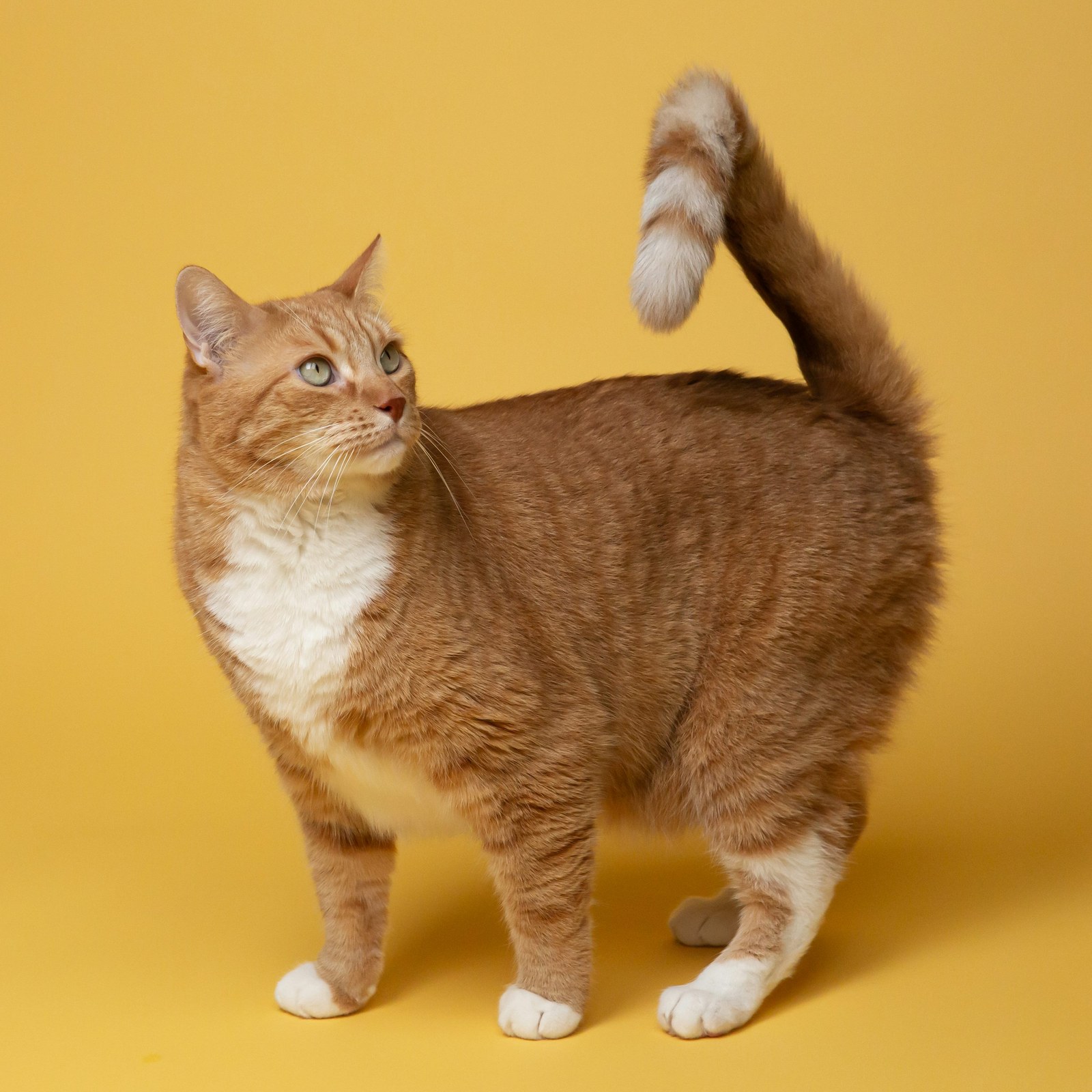
Current studio scope: pets and non-human scenes. Real-person photo animation, fabricated human speech/actions and face swaps are paused.
Searching for the original State Property meme can produce several things at once: a source recording, a cropped reaction, a lip-sync performance, and a newly generated character. They may share a recognizable rhythm while being different works. Knowing which one you are viewing makes both attribution and creative planning easier.
Start with a traceable source
Know Your Meme’s documented entry identifies an August 21, 2025 upload by @bird28thegr8 as the source of the fishing-location confrontation. Its linked TikTok source post is the appropriate starting point for checking the original context. Playback and availability can vary by region or account; this guide does not claim to have verified an uninterrupted playback of that post.
The useful distinction is simple: a source link identifies where a clip was published, while a repost may preserve only part of it. A familiar face or soundtrack alone does not establish that you have found the full original. Avoid assigning a repost’s upload date to the underlying event.
Separate the recording from the format
The original event supplies the situation and reaction. The meme format is what creators reuse: a challenge, a pause, and an emphatic response. A later edit may change the location, replace the subject, or isolate one moment. An AI variation can recreate that structure without containing the original footage at all.
A cover image on this site is also not evidence that its displayed character appears in the source recording. The tutorial cover is an external reference example from the reference gallery, used to illustrate the style. Our studio results are presented separately as newly generated clips.
Watch references with a specific question
Instead of collecting dozens of nearly identical clips, choose one aspect to study. Where is the subject inside the frame? How much space is left before the reply? Does the camera move, or is the performance doing all the work? Write down one observation and translate it into your own brief.
For an additional public example, Kisi Misi’s original-and-cat comparison is available on YouTube. It is linked as an external reference, not hosted or described here as a verified studio output. Watching a linked example does not transfer its soundtrack or performance into your generation automatically.
Build your own version with clear expectations
Reference mode uses the clip currently available in the studio to guide a new generation. Scene mode creates a new setting from your photo and selected scene. Neither mode promises a faithful reconstruction of the original recording, and the generated soundtrack is not the original audio file.
Use fifteen seconds when you want the complete dialogue to have room; choose five seconds for a short reaction. Review the displayed credit quote before starting. If a source link is unavailable, you can still understand the format through the meaning guide, then create your own take from a clear photo and a focused idea.
Hit the Road Dude: original and cat comparison
External creative reference, not a video generated by this studio. Playing loads YouTube content.
Open on YouTube